


Fort Hood Criminal Defense Attorney
Defending Clients for Decades

In 2019, nearly 700,000 people were arrested by Texas law enforcement. If you have been arrested, you understand the fear and uncertainty of being accused of a crime. Whether it be a misdemeanor or a felony, criminal charges can have penalties that affect the accused for a long time.
That is why the Law Office of Brett H. Pritchard provides quality legal counsel to those accused of criminal acts. Our case strategies are backed by decades of experience in and out of the courtroom. We have handled many criminal cases, and we are proud to serve the Fort Hood area.
Call the Law Office of Brett H. Pritchard at (254) 220-4225 for more information.
Most Common Criminal Charges in Fort Hood, Texas
Burglary
Burglary is a frequently charged offense in Fort Hood. It involves entering a building or habitation without the owner’s consent while intending to commit theft, assault, or another felony once inside. The offense does not require that the intended crime actually take place; the unlawful entry with criminal intent is enough for a burglary charge.
Drug Offenses
Drug-related charges are also common in the Fort Hood area. These offenses can include possession of controlled substances, manufacturing, delivery, or distribution. Even the possession of certain prescription drugs without a valid prescription may result in a charge. The type and amount of the substance often play a central role in determining how the case is prosecuted.
Theft Crimes
Theft involves unlawfully taking another person’s property with the intent to permanently deprive them of it. Theft charges can apply to a wide range of situations, from taking items out of a home or vehicle to misappropriating money or goods from a business. The circumstances of the alleged theft, including the value of the property, classify the severity of the offense.
Juvenile Charges
Juvenile cases involve individuals under the age of 17 who are accused of violating the law. Common juvenile charges in the Fort Hood area include underage drinking, shoplifting, assault, and drug possession. These cases are typically handled through the juvenile justice system, which operates separately from the adult system and has its own procedures and rules.
DWI (Driving While Intoxicated)
DWI is another frequently prosecuted offense. It involves operating a motor vehicle in a public place while under the influence of alcohol or drugs. Law enforcement relies on field sobriety tests, breath tests, and blood tests to gather evidence in these cases.
Assaults
Assault charges may stem from intentionally causing bodily injury to another person or from threatening imminent harm. In some cases, simply making physical contact that is considered offensive or provocative can result in an assault charge.
Shoplifting
Shoplifting is a form of theft that specifically involves taking merchandise from a store without paying. It can occur in many ways, including concealing items, altering price tags, or attempting to leave a store with unpaid goods.
Penalties and Collateral Consequences if Convicted
A conviction for one of these offenses can lead to serious penalties and collateral consequences.
Burglary
A burglary conviction can bring years of imprisonment and significant fines, depending on whether the charge is classified as a second- or first-degree felony. Beyond the immediate punishment, individuals may face difficulty securing housing or employment due to the permanent mark on their criminal record.
Drug Offenses
Drug convictions vary widely in punishment, ranging from probation and mandatory treatment programs to long prison sentences. Collateral consequences can include losing eligibility for federal student loans, restrictions on professional licenses, and damage to military careers or security clearances in a community like Fort Hood.
Theft Crimes
The penalties for theft depend heavily on the value of the property involved. Convictions can lead to jail time, probation, or restitution orders. Collateral effects often include a reputation for dishonesty, which can harm future job prospects, especially in fields requiring trust with money or property.
Juvenile Offenses
Juvenile offenders may face probation, community service, detention, or court-ordered counseling. While the system emphasizes rehabilitation, serious convictions can follow a minor into adulthood. Collateral consequences can include difficulty enrolling in schools or joining the military if records are not sealed.
DWI
DWI penalties may include jail time, license suspension, and thousands of dollars in fines. Repeat offenses bring harsher results, such as mandatory ignition interlock devices. Collateral consequences often involve higher insurance premiums, loss of driving privileges, and challenges in careers requiring a clean driving record.
Assaults
Assault convictions can range from misdemeanors to felonies, carrying penalties such as jail or prison time, fines, and probation. Collateral effects may include loss of firearm rights, strained personal relationships, and barriers to employment in jobs that involve security or caregiving.
Shoplifting
Shoplifting convictions can lead to fines, probation, community service, or jail time, depending on the value of items stolen. Collateral consequences include a permanent criminal record, damage to reputation, and difficulty working in retail or customer service positions.
The Criminal Process: Arrest to Arraignment
The court process for criminal cases is complex, but there are some criminal law basics to keep in mind. One of the most important parts of the criminal process is your rights. If you have been arrested, you have the right to remain silent, speak with an attorney, and have an attorney present for questioning. You should be informed of these rights upon arrest.
Typically, individuals go before a judge within 48 hours of their arrest. The point of the first appearance is to establish the charges, set bond, and ensure that the accused knows their rights. The accused person is usually referred to as the defendant.
Suppose a person is unable to pay their bond amount and remains in police custody. In that case, the prosecution must file official charges against them within 15-30 days for a misdemeanor or 90 days for a felony. The prosecutor is responsible for filing charges and presenting a case to prove that the defendant is guilty of a crime.
In cases where the defendant is not in jail, the prosecution can file misdemeanor charges within two years of the arrest or 5-10 years for a felony. If the prosecutor does not file charges within the time limit, the accused is released from jail if they were in custody or the case is dismissed.
The only exception is for more serious criminal charges like murder, sexual assault, and indecency with a child. In these cases, the prosecutor does not have a time limit to file charges.
The arraignment is a more formal appearance before the court. This involves a reading of the charges before the court and a plea from the defendant. The accused can either plead guilty or not guilty to the charges against them. It is best to consult an attorney before making a plea before a judge.
Rights in Court
The accused has rights throughout the criminal process. They are informed of their rights at the time of their arrest, at the first appearance, and in the pre-trial phase. Pre-trial procedures are a series of hearings that often happen before a trial.
For example, a standard procedure during pre-trail is a bail or bond hearing. These hearings are to establish conditions for release and ensure that the amount is reasonable.
Keep in mind that bail is the amount of money the accused must pay to get out of jail. Bond is money posted on the defendant’s behalf to secure their release.
There are three main types of bonds:
- Cash bonds: the defendant pays the full amount of money, which is refunded after the case
- Bail bonds: the defendant uses a bond company or bail bondsman to borrow collateral in exchange for a nonrefundable fee
- Personal recognizance (PR) bond: the court releases the defendant without requiring a payment
The judge can set the bail/bond amount according to their best judgment, or they may choose to deny bail. Felony charges usually have a much higher bail amount.
Even at this stage of the process, you have rights. These rights are critical to a fair trial, and an attorney can help protect your rights and interests at every stage of your case.
Rights during the trial and pre-trial include all of the following:
- You are innocent until proven guilty
- The prosecutor is responsible for proving your guilt beyond a reasonable doubt
- You do not have to testify
- You have the right to a fair trial by an impartial jury
- The defense may cross-examine witnesses
- Your attorney may subpoena witnesses on your behalf
- You can file an appeal after your trial is complete
Defendants should always consult their lawyer before waiving their rights or testifying.
Criminal Trials in Texas
There are two phases to criminal trials: the guilt/innocence phase and the punishment phase. The purpose of the guilt/innocence phase is to prove whether the defendant is guilty by using evidence and witness statements to persuade the jury. At this time, the defense can cross-examine any witnesses called by the prosecutor. They may also call witnesses of their own on the defendant’s behalf.
The punishment phase is a separate process that involves sentencing. In Texas, the accused can choose to be sentenced by a jury. This means that if the defendant disagrees with the prosecution’s plea bargain, they can choose to have the jury consider the case and determine a fair sentence.
Understanding Your Case
If you have been arrested, you likely have questions about the criminal process and how it affects you. An arrest does not mean an automatic conviction, which is why it is critical that you choose a legal representative as soon as possible.
We have a team of legal advocates with years of experience helping hundreds of clients throughout their criminal cases. Our team understands that the criminal process is complex, which is why we work with our clients to help them understand the details of their case. The Law Office of Brett H. Pritchard has a unique understanding of both sides of the court – the defense and prosecution. We put our experience to work by evaluating your case, creating a personalized strategy, and advocating for you every step of the way.

Meet Our Dedicated Team
-
 Brett H. PritchardAttorney At LawOur lead lawyer, Brett H. Pritchard, is a graduate from Brigham Young University and Texas Tech University. Earning an exemplary reputation as an aggressive and formidable trial lawyer, Attorney Pritchard is ultimately passionate about protecting his clients' rights.
 -
Brent T. SykoraAttorney At LawAttorney Brent T. Sykora has a wealth of experience in the legal realm, stemming firstly from his First Chair litigation experience in both federal and state courts, administrative hearings, and ADR proceedings.
-
Danah WoodsAttorney At LawDanah Woods has a broad range of state and federal civil litigation experience including trial, discovery, and mediation and has practiced throughout the State of Texas. Danah began her career working in the insurance industry as a claims adjuster and ...
-
Darmeisha SlayAttorney At LawAfter graduating from St. Mary’s University, she practiced as a Paralegal at the Law Office of Brett H. Pritchard until her acceptance into the Thurgood Marshall School of Law in Houston, Texas. While at TMSL, Darmeisha was accepted to practice in the pro bono Family Law Clinic where she represented indigent clients in uncontested and contested divorces.
-
Jeff LinickAttorney At LawWith a background in business and finance prior to going to law school, Mr. Linick worked for several years in the insurance industry with USAA, a company closely associated with the armed services.
-
N.J. GauntSenior LitigatorNicholas J. Gaunt has been licensed as an attorney and mediator in Texas since 2009. He has practiced family law and criminal defense extensively in Bell, Coryell, Lampasas, & Milam, as well as Collin, Dallas, Denton, Travis, and Bexar County.
-
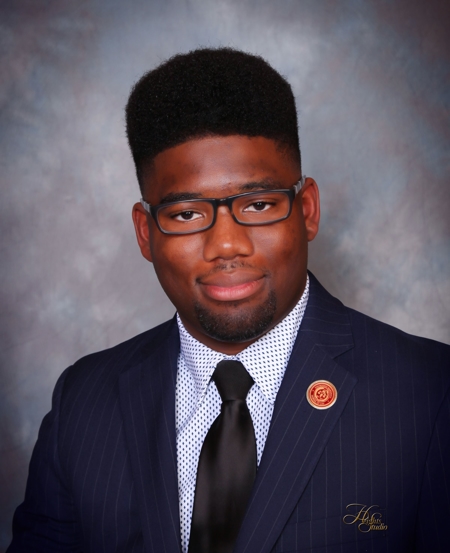
Quincy HallAttorney At LawBorn in El Paso, Texas, Quincy Sterling Hall knew from a young age what it meant to be efficient, effective, and exceptional. As the son of a retired First Sergeant father and professional Health Care Liaison mother, the values and aptitude instilled in ...
-
Gregory WilsonAttorney At LawGregory L. “Greg” Wilson, J.D., is a seasoned Texas attorney licensed since 2009, practicing with The Law Office of Brett H. Pritchard in San Antonio and Killeen. Greg brings a broad and versatile legal background to every case, representing individuals ...
-
Rebecca GriffinAttorney At LawRebecca C. Griffin, J.D., is an experienced family law attorney with The Law Office of Brett H. Pritchard, licensed to practice in Texas since 2008. Rebecca helps clients through some of the most important and sensitive moments of their lives, focusing on ...
-
Tal HammockAttorney At LawRoy Talmadge “Tal” Hammock, J.D., is a highly experienced Texas attorney practicing with The Law Office of Brett H. Pritchard. Tal has been licensed in Texas since 1995 and brings over 25 years of diverse legal experience to the firm, representing clients ...









Why Clients Choose Us
- Thousands of Clients Helped
- Honest Advice & Counsel
- Military Discount
- Emergency Appointments
- "Hands-On" Approach
- Highly Recommended
- Track Record of Success
- Free Initial Consultations

Killeen, TX 76543